Gut health and fertility: a practical introduction to your microbiome

In simple words: your gut is home to trillions of tiny helpers. Feed them well—mostly with a wide variety of plants—and they help you digest food, make some vitamins and support your immune system.
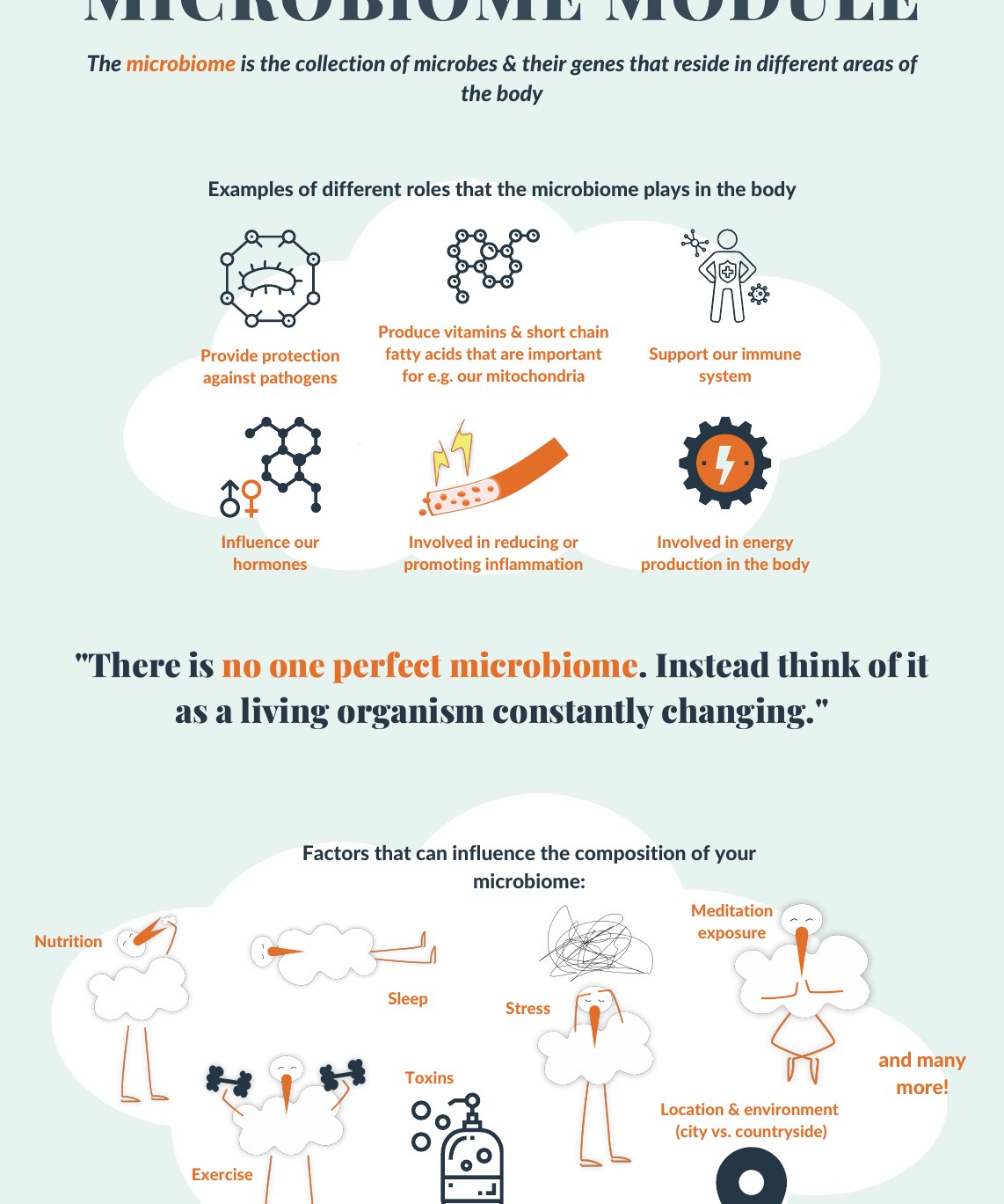
Your microbiome is the community of microbes living in and on the body. In the gut, these organisms participate in digestion, vitamin production and immune function. That makes the microbiome relevant to general health—but not a simple fertility switch.
What does the research say about fertility?
Researchers are studying links between gut microbial patterns, reproductive hormones and conditions including PCOS and endometriosis. Most human evidence is associative: it can show that two things occur together, but not that one caused the other or that changing the microbiome will improve fertility.
A food-first approach
A varied, fibre-rich way of eating can support digestive health. Rather than searching for one ‘fertility probiotic’, gradually widen the range of plant foods you eat: vegetables, fruit, beans, lentils, wholegrains, nuts and seeds, according to your tolerance.
- Add one extra plant food to a familiar meal.
- Vary colours and types across the week.
- Increase fibre gradually and drink enough fluid.
- Choose fermented foods if you enjoy and tolerate them; they are optional, not a cure.
- Speak with a clinician or dietitian about persistent digestive symptoms.
Be cautious with probiotic promises
Evidence for many probiotic claims is limited, and products vary. A capsule cannot be assumed to produce a particular fertility outcome. Food variety, regular meals and individual care remain a more grounded foundation.
There is no single ‘perfect’ microbiome. Think diversity and consistency, not a one-product fix.