Balancing act: how blood sugar levels influence your fertility journey

One of the most practical shifts in my own preconception journey was learning what helped my energy feel steadier across the day. Blood glucose is a primary energy source, while insulin helps move that glucose from the bloodstream into cells.
Why balance matters
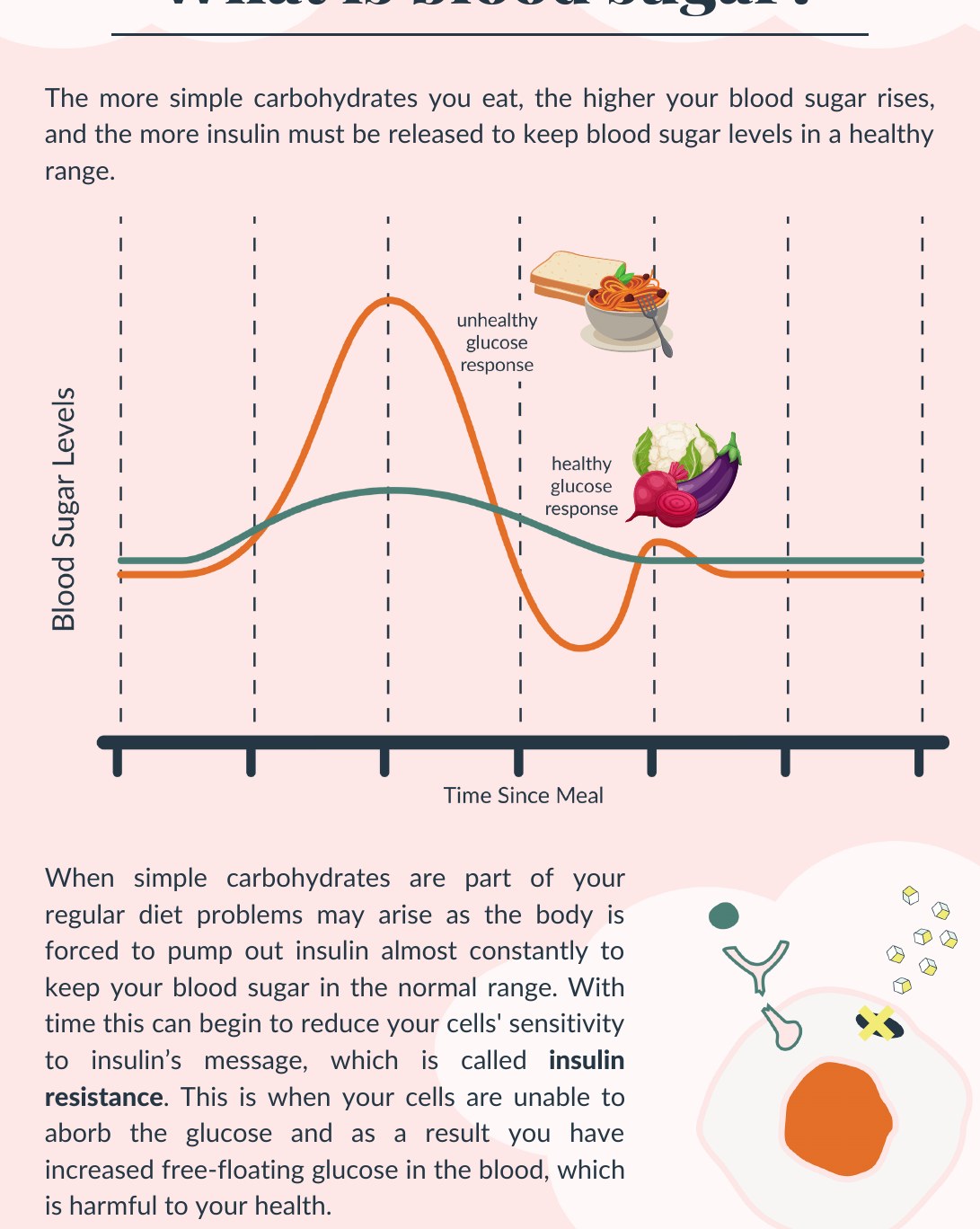
Meals rich in quickly absorbed carbohydrates can produce a sharper rise and fall in blood glucose. A varied meal containing protein, fat and fibre generally slows that process. Individual needs differ, particularly for anyone living with diabetes, insulin resistance or another condition, so personal medical guidance matters.
Glucose and insulin, in plain language
Carbohydrates are broken down into glucose, which enters the bloodstream and supplies energy. The pancreas releases insulin to help move that glucose into cells. This is a normal process—not something to fear. The aim is not a perfectly flat glucose line, but meals and routines that leave you feeling nourished and steady.
Build a plate rather than removing a food group
Instead of eating a carbohydrate by itself, add the elements that make it a meal. Porridge can include yoghurt, nuts, seeds and berries. Toast can come with eggs, avocado or hummus. Rice or potatoes can sit beside beans, fish, tofu or chicken and a generous portion of vegetables.
Three gentle places to begin
- Include a source of protein and healthy fat in meals, especially at breakfast.
- Take a comfortable walk after a meal when that feels appropriate for you.
- Pair carbohydrates with protein, fat or fibre—for example, apple with almond butter or berries with nuts.
Notice patterns without self-diagnosing
Hunger soon after eating, an afternoon energy dip or strong cravings can be useful prompts to look at meal timing and composition, but they do not diagnose a blood-sugar condition. If symptoms are persistent, severe or concerning, bring them to a qualified professional rather than trying to solve them through restriction.
Inside Module 6, our conversation with nutritionist Lina Åhlén explores nourishment before pregnancy without restriction. The emphasis is on practical additions and sustainable patterns rather than dietary perfection.