Fertility superfoods: 9 nutrient-dense foods to enjoy before pregnancy
One of the priorities during preconception is building up your reserves of vitamins, minerals and phytonutrients. No single nutrient works alone, and no single food contains everything—which is exactly why variety matters.
Some foods are especially nutrient-dense: they carry a large amount and range of beneficial nutrients in proportion to their calories. These are the nine we return to again and again.
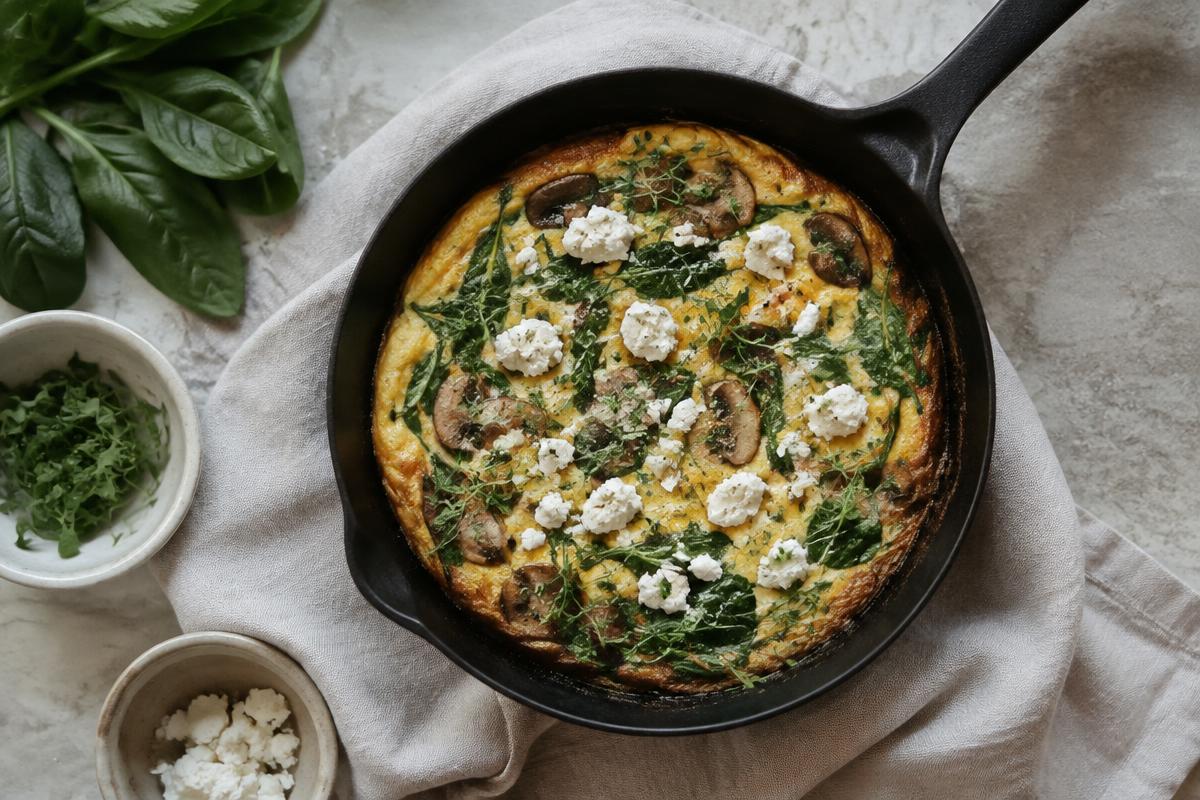
- Eggs — a practical source of protein and choline, a nutrient used throughout the body. Boil them for snacks, add them to rice bowls, or try our mushroom medley frittata.
- Liver and organ meats — concentrated sources of iron and vitamin B12. Because their vitamin content is unusually high and suitability can change during pregnancy, ask a qualified professional what is appropriate for you.
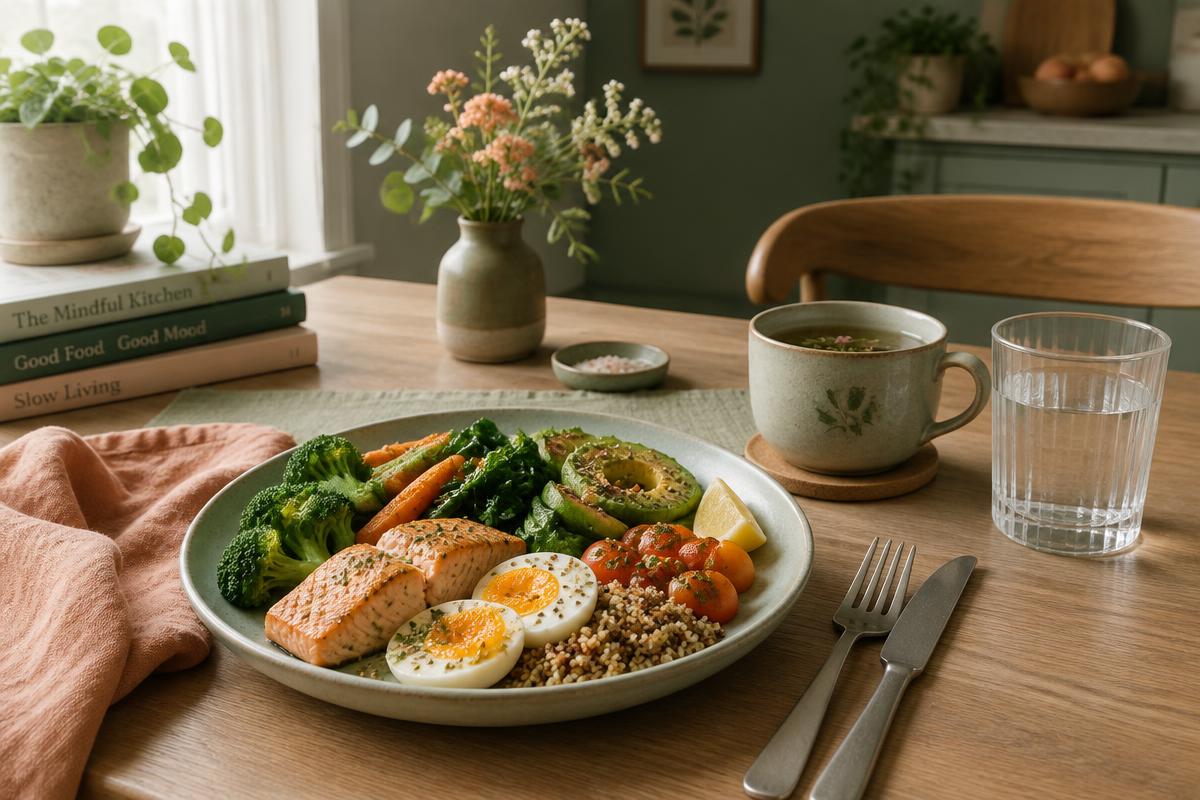
- Leafy greens and cruciferous vegetables — spinach, kale, broccoli, rocket, cabbage and Brussels sprouts bring folate, fibre and a broad mix of plant compounds. Frozen vegetables count too and can make variety easier.
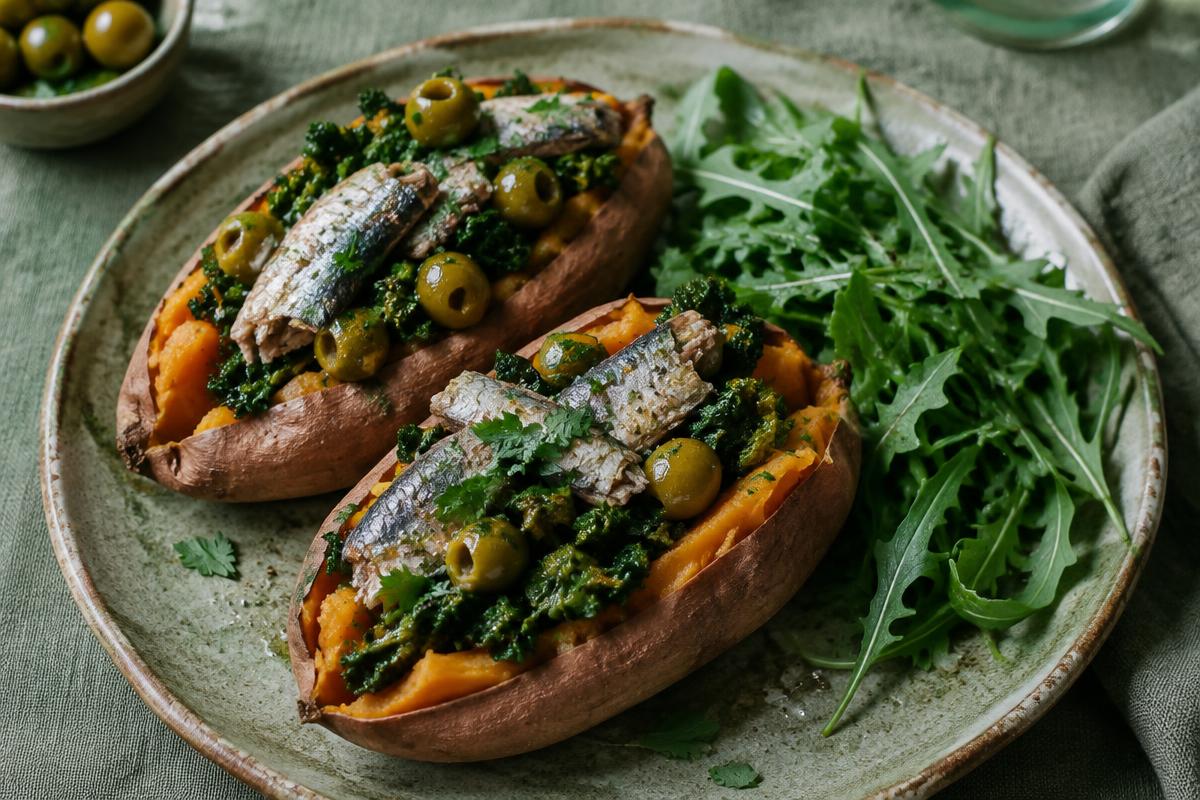
- Oily fish — sardines, mackerel, herring and salmon provide protein and omega-3 fats. Try our baked sweet potatoes with sardines, and seek individual advice if you are unsure which fish or portions suit you.
- Shellfish and seafood — mussels, oysters, prawns and other seafood can contribute protein and minerals. Choose reputable sources and follow food-safety advice appropriate to your circumstances.
- Colourful vegetables, fruits and berries — peppers, tomatoes, carrots, beetroot, blueberries, citrus and many others make variety visible. Different colours often represent different plant compounds, so rotate rather than chase one ‘best’ choice.
- Nuts and seeds — walnuts, almonds, pumpkin seeds, sesame, chia and flax add fats, protein, fibre and minerals. Scatter them over porridge, yoghurt, salads or soups if you tolerate them.
- Dark chocolate — cacao contains minerals and plant compounds, but it is still one enjoyable food rather than a treatment. Our dark chocolate strawberry smoothie pairs it with berries, seeds and nut butter.
- Bone broth — a warming base for soups and stews that can make home cooking easier. It is optional: beans, lentils, fish, eggs, tofu, meat and dairy or fortified alternatives can all contribute to a varied diet.
How to use this list in real life
Choose two or three foods you already enjoy and make them easier to reach. Keep eggs ready in the fridge, frozen greens for quick meals, tins of sardines or beans in the cupboard, and nuts or seeds near breakfast ingredients. Over time, rotate colours and protein sources. Variety across a week matters more than fitting all nine foods into one day.
A note on personal needs
These foods may suit many people, but individual needs vary. If you suspect a deficiency, allergy or intolerance, speak to your doctor or a registered nutrition professional.
Think of these as regular guests at your table—not a checklist to complete every day.